Leveling is the unglamorous chore that quietly decides how well a camping trip goes. A rig that's even an inch or two off makes the refrigerator work harder (absorption fridges in particular hate being off-level), sends shower water pooling in the wrong corner, and turns a good night's sleep into a slow slide toward the low side of the mattress. The fix is cheap and low-tech, a set of blocks or a drive-on leveler you carry in a bay, but the market is genuinely confusing because two very different philosophies share the same shelf.
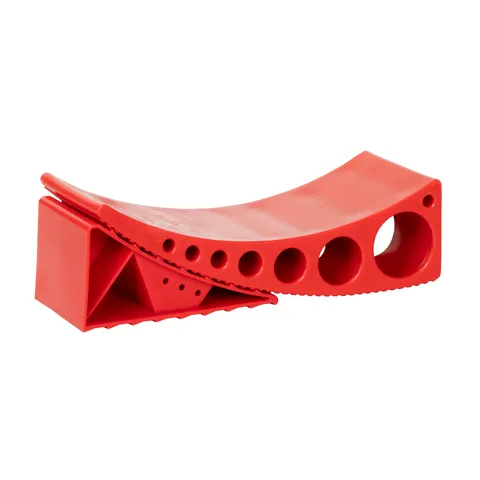
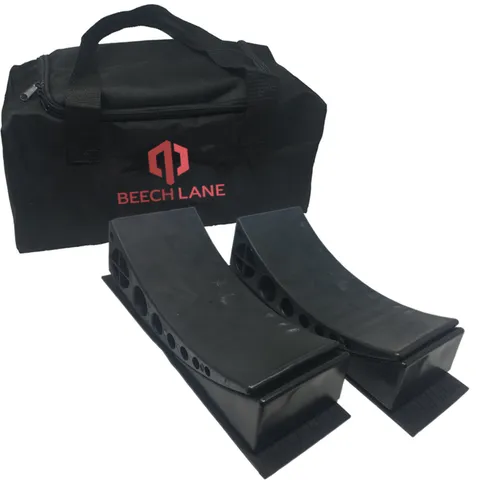
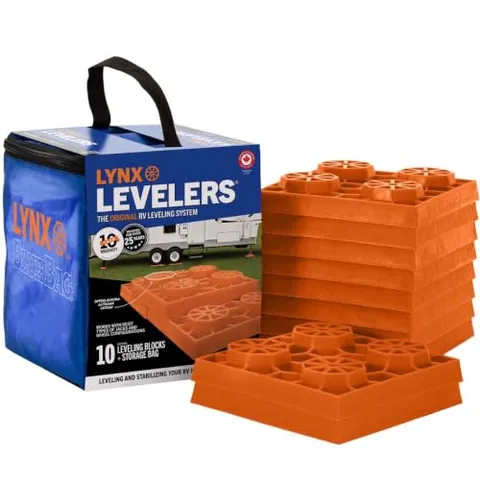
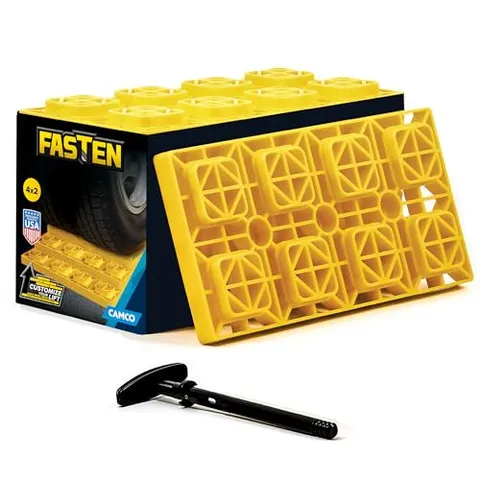
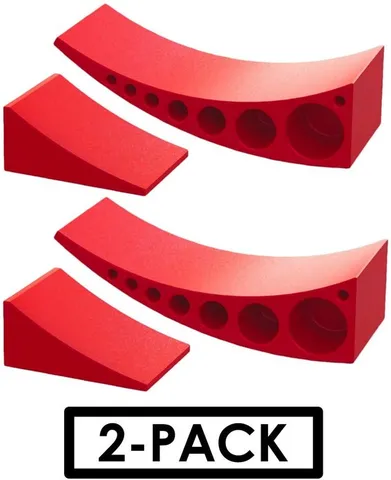
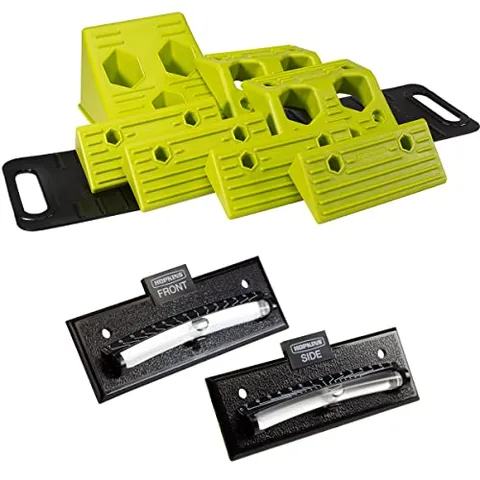
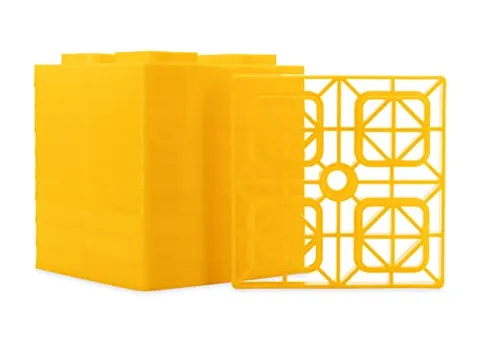
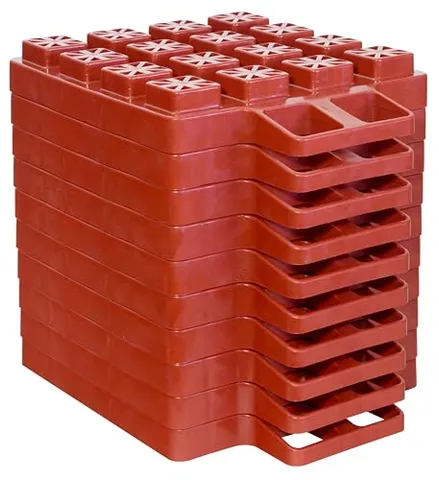
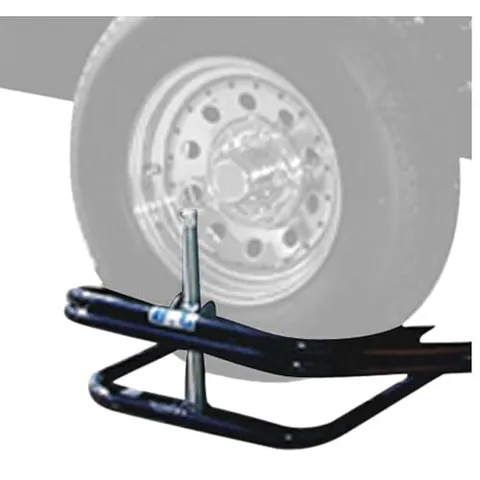
The first is the classic stacking block: interlocking plastic pads (think Lego for your tires) that you build into a ramp and drive onto, then chock. They're inexpensive, endlessly reconfigurable, and double as pads under tongue jacks and stabilizers. The second is the curved "drive-on" leveler, a single molded wedge you pull onto until the bubble centers, then lock with a chock. It trades a little money and tire-size flexibility for the fastest, most repeatable side-to-side leveling you can buy. Which one is right depends on your rig's weight, your patience, and whether you're hopping campgrounds or settling into a long-term site.
For long-term RV-park residents the math shifts again: you level once and live with it for months, so a precise initial set and rock-solid chocking matter more than fast teardown, and many full-timers keep a mix, curved levelers under the tires plus a stack of flat blocks to spread load under stabilizer jacks on soft or gravel pads. The guide below spans the full price spectrum, from a $25 bag of stacking blocks to premium drive-on systems, so you can see exactly what you give up at the low end and what you actually gain by spending more.