RV Parks · Alaska
RV Parks in Alaska
Settle in 29 parks across Alaska. Maps, hours, contact info, photos, and verified operator profiles, all in one place.
America's last great frontier. Fjords, glaciers, and 17 of the 20 highest peaks in the country.
About Alaska
Best time to go
When to camp in Alaska
June through early September. Long days and an accessible interior.
- June–September: the main season for high-elevation parks
- Nights stay cool even in summer, so pack layers
- Many parks close entirely in winter, so confirm open dates
29 on the map
Tap a pin to open its profile.
Quick facts
- Parks listed
- 29
- Best season
- June through early September
All listings
29 parks
across Alaska
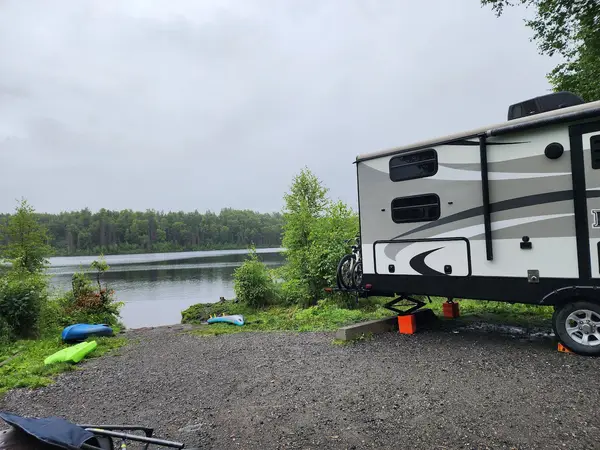
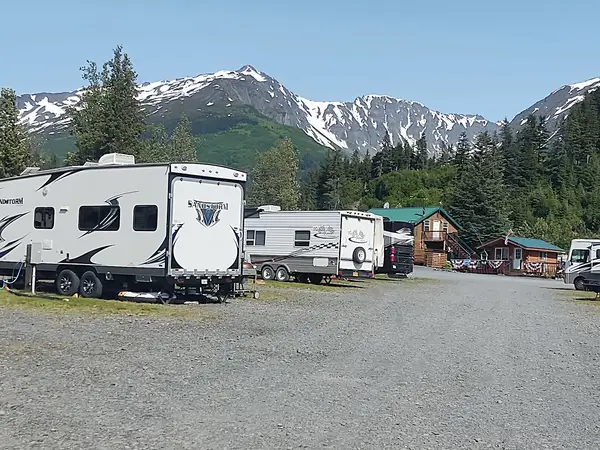
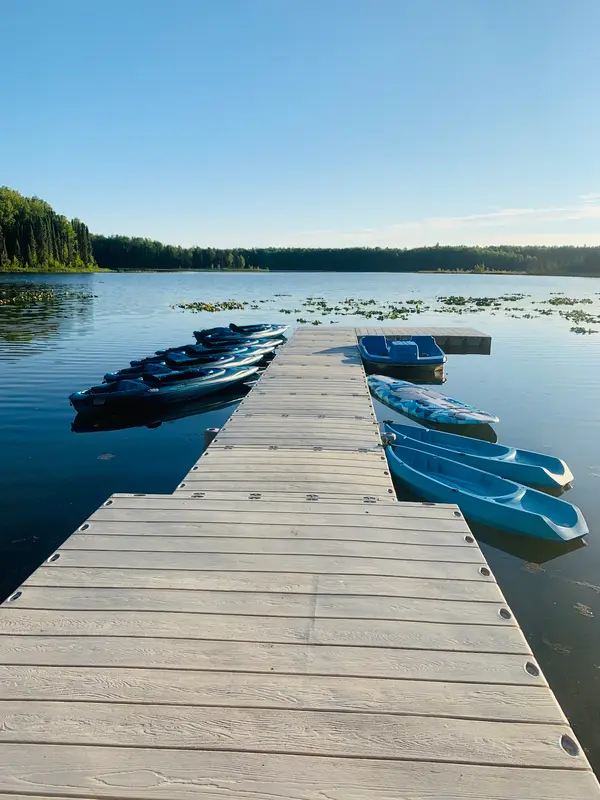
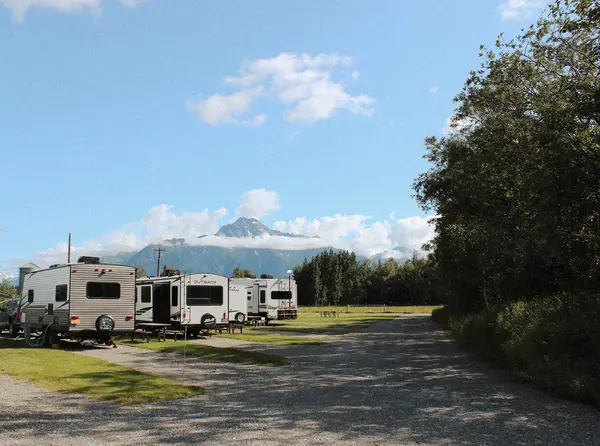
Plan your trip
Plan your trip to Alaska
Hookup Availability
While many private RV parks offer full hookups (water, sewer, electric), state and federal campgrounds frequently provide partial hookups (water, electric) or dry camping (no hookups). Be prepared for self-sufficiency.
Big Rig Access
Most major RV parks and routes accommodate big rigs, but some older or more remote campgrounds may have size limitations or challenging access roads. Always verify with the specific park if you have a large RV.
Seasonal Operation
The primary RV season in Alaska runs from late May through early September. Snowbird-style winter RVing is virtually non-existent due to extreme cold and limited park availability; most parks are strictly summer operations.
Reservation Lead Time
For popular destinations like Denali National Park, Kenai Peninsula towns, or specific private RV parks during July and August, reservations should be made several months in advance to secure a spot.
Monthly and Seasonal Rates
While some RV parks offer weekly or monthly rates, true seasonal rates for the entire summer are less common than in the Lower 48 due to the shorter operational window. Inquire directly with parks for extended stay pricing.
Weather Considerations
Alaska's weather can be unpredictable, even in summer. Be prepared for rain, cool temperatures, and even unexpected snow at higher elevations. Pack layers and ensure your RV is equipped for varied conditions.
Confirm current requirements with the state agency before your trip. Rules and fees change every season.
Driver's License and Vehicle Registration
All drivers must possess a valid driver's license from their home state or country. Your RV and tow vehicle must have current and valid registration, as well as proof of insurance, as required by your state of residence.
Alaska DMVAlaska Sport Fishing License
If you plan to fish in Alaska's fresh or saltwater, a valid Alaska sport fishing license is required for all non-residents aged 16 and older. Specific permits may also be needed for certain species like King Salmon.
Alaska Department of Fish and GameState Park Fees and Passes
Camping in Alaska State Parks often requires a fee, and day-use fees may apply at certain facilities. Consider purchasing an annual Alaska State Parks parking pass if you plan extensive use, as it can be more economical.
Alaska State Parks
- 01
1. Plan Your Route and Entry Point
The first decision shapes the whole trip: drive the Alaska Highway, ride the Alaska Marine Highway ferry, or split the difference. Check road conditions, ferry schedules, and border-crossing requirements well before departure, none of the three rewards improvisation.
- 02
2. Book Key Reservations Early
Lock in the hard-to-get pieces first, ferry passages and RV sites near the big draws like Denali. In July and August, popular parks fill months out, and there's no shoulder-season fallback in a state with one short summer.
- 03
3. Prepare Your RV for Alaskan Conditions
Tires, brakes, and everything mechanical get a hard look before this trip. Carry spare parts, tools, and extra fuel, the gaps between services are long, and stretches of gravel are part of the deal.
- 04
4. Research Permits and Regulations
Sort out fishing licenses, state park passes, and the rules for whatever public lands you plan to camp on. Learn the bear protocols before you need them, food storage habits matter here in a way they don't most places.
- 05
5. Pack for All Seasons and Self-Sufficiency
Layers, rain gear, and deep reserves of food and water. Cell service drops out fast beyond the major towns, so carry navigation and communication that don't depend on a signal.
01How many RV parks are listed in Alaska?
02What are the road conditions like for RVs in Alaska?
03Is cell phone service and internet widely available for RVers?
04What wildlife precautions should RVers take?
05Can I boondock or dry camp with my RV in Alaska?
06Are pets allowed in Alaska's RV parks and campgrounds?
07How long does it typically take to drive to Alaska in an RV?
Free tools
Your free outdoor toolkit

Everything Map
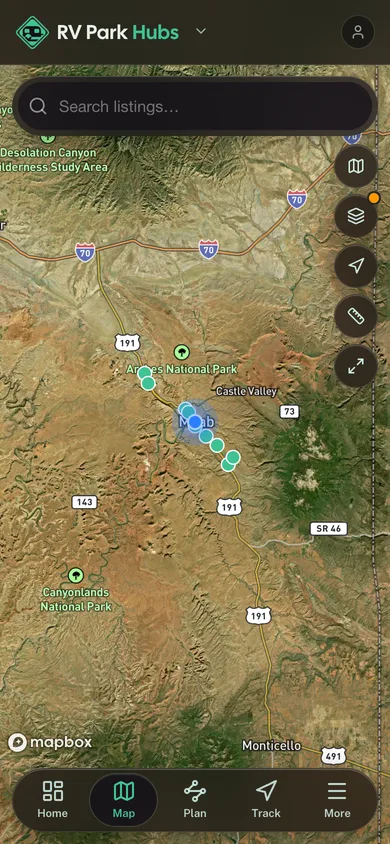
Listings, trails, spots, clubs and public land on a single full-screen map. Switch layers on and off, then tap any point for the details.
Open Everything MapRoute Planner
Drop stops on a map and watch distance and drive time add up. Export a GPX or share the link.
Open Route PlannerRV Clubs
Browse local clubs with meeting info and how to join, or start your own for free.
Open RV ClubsGear Checklists
Printable, save-as-you-go packing lists. Tick items off and pull them up on your phone.
Open Gear ChecklistsMaintenance Schedules
Pick your equipment and get its full service schedule. Add your usage to turn intervals into dates.
Open Maintenance Schedules