RV Parks · Hawaii
RV Parks in Hawaii
Settle in 9 parks across Hawaii. Maps, hours, contact info, photos, and verified operator profiles, all in one place.
Volcanic peaks rising 13,000 feet from a tropical Pacific.
About Hawaii
Best time to go
When to camp in Hawaii
Year-round. Winter brings the biggest North Pacific swells to the north shores.
- June–September: peak coastal season, so reserve ahead
- September: arguably the best month, warm and uncrowded
- Coastal mornings can be foggy and cool year-round
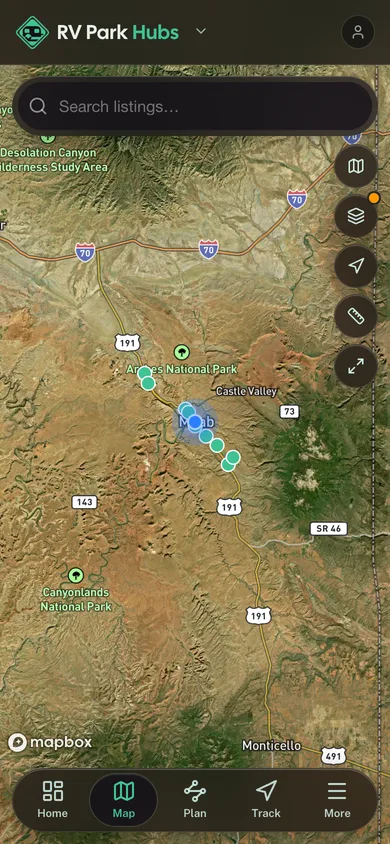
9 on the map
Tap a pin to open its profile.
Quick facts
- Parks listed
- 9
- Best season
- Year-round
All listings
9 parks
across Hawaii
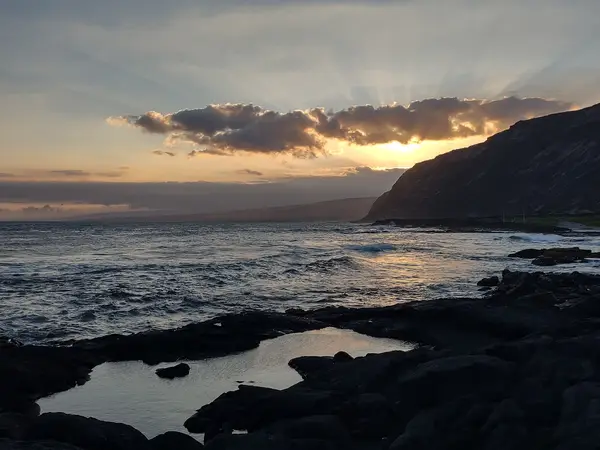
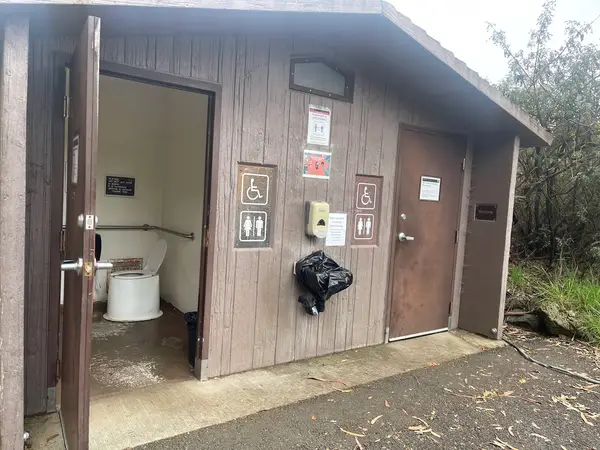
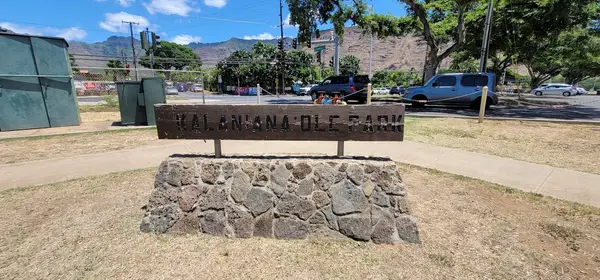
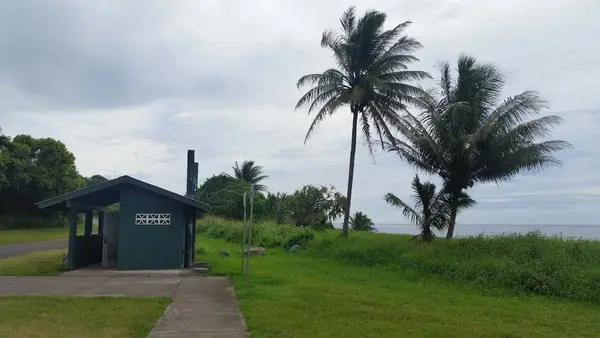
Plan your trip
Plan your trip to Hawaii
Hookup Types
Most state and county parks in Hawaii offer very limited hookups, primarily dry camping or water-only sites. Full hookups are exceedingly rare and typically found only at a handful of private facilities or mobile home parks not geared towards transient RVers.
Big-Rig Access
Big-rig access is severely restricted due to narrow roads, tight turns, and limited parking in many areas and parks. RV rentals in Hawaii are almost exclusively smaller campervans or Class B/C units, which are more suitable for the island infrastructure.
Reservation Lead Time
Reservations for RV rentals and camping permits are essential and should be secured months in advance, especially for popular state and county parks. Demand is high year-round, with peak seasons requiring up to six months or more lead time.
Monthly/Seasonal Rates
Monthly or seasonal rates for RV parks are uncommon for transient visitors. Most available sites are daily or weekly, and long-term stays for RVs are generally not facilitated by the existing infrastructure.
Weather Considerations
Hawaii's tropical climate means high humidity and varying rainfall. Be prepared for sudden showers, especially on windward coasts. Temperatures are consistently warm, but nights can be cooler at higher elevations like Haleakala or Mauna Kea.
Confirm current requirements with the state agency before your trip. Rules and fees change every season.
State Park Camping Permits
Overnight camping in Hawaii State Parks requires a valid permit, which must be obtained in advance. These permits are typically issued for specific dates and sites, and availability can be very limited, especially for popular locations. Adherence to designated camping areas and quiet hours is strictly enforced.
Hawaii State ParksCounty Park Camping Permits
Many desirable beach parks and recreation areas fall under county jurisdiction, each with its own permitting system. For example, Oahu, Maui, and the Big Island all require separate county permits for their respective parks. These permits also need to be secured in advance and often have specific rules regarding length of stay and vehicle type. Verify requirements with the specific county's parks and recreation department.
Vehicle Size and Road Restrictions
Hawaii's infrastructure, including many scenic routes and park access roads, is not designed for large recreational vehicles. Certain roads, like the famous Road to Hana on Maui, have advisories or restrictions against larger vehicles due to their narrowness, sharp turns, and limited pull-offs. Always check local road conditions and vehicle restrictions before planning your route.
- 01
Research RV Rental Options
Start with the rental, not the itinerary. Book a campervan or small RV from a local Hawaiian outfit early: shipping your own rig across the Pacific is expensive enough, and impractical enough, that almost nobody does it.
- 02
Secure Camping Permits
The moment your dates firm up, apply for state and county park permits. These are the scarcest resource of the whole trip, popular sites sell out months ahead, so let permit availability shape your route rather than the other way around.
- 03
Plan Inter-Island Travel (If Applicable)
Island-hopping means flying, then renting again. Camper rentals stay on the island where you picked them up; ferrying a rented rig between islands isn't a practical option, so budget for a separate vehicle on each island you visit.
- 04
Understand Local Driving Conditions
Island driving is its own discipline: narrow lanes, one-lane bridges, slow speed limits, and locals who expect courtesy at every pull-off. Check for vehicle-size restrictions on your intended routes before you commit to them.
- 05
Pack for Tropical Conditions
Light, breathable clothes and real rain gear cover most days. Add sun protection, insect repellent, and footwear that can handle wet lava rock and muddy trails, the best campsites tend to come with a hike attached.
01How many RV parks are listed in Hawaii?
02Can I bring my personal RV to Hawaii?
03Are there full hookup RV parks in Hawaii?
04Do I need reservations for RV camping in Hawaii?
05What kind of RVs are typically available for rent in Hawaii?
06Is it possible to visit multiple islands with an RV rental?
07What should I know about driving a rented RV on the Road to Hana?
Free tools
Your free outdoor toolkit

Everything Map
Listings, trails, spots, clubs and public land on a single full-screen map. Switch layers on and off, then tap any point for the details.
Open Everything MapRoute Planner
Drop stops on a map and watch distance and drive time add up. Export a GPX or share the link.
Open Route PlannerRV Clubs
Browse local clubs with meeting info and how to join, or start your own for free.
Open RV ClubsGear Checklists
Printable, save-as-you-go packing lists. Tick items off and pull them up on your phone.
Open Gear ChecklistsMaintenance Schedules
Pick your equipment and get its full service schedule. Add your usage to turn intervals into dates.
Open Maintenance Schedules