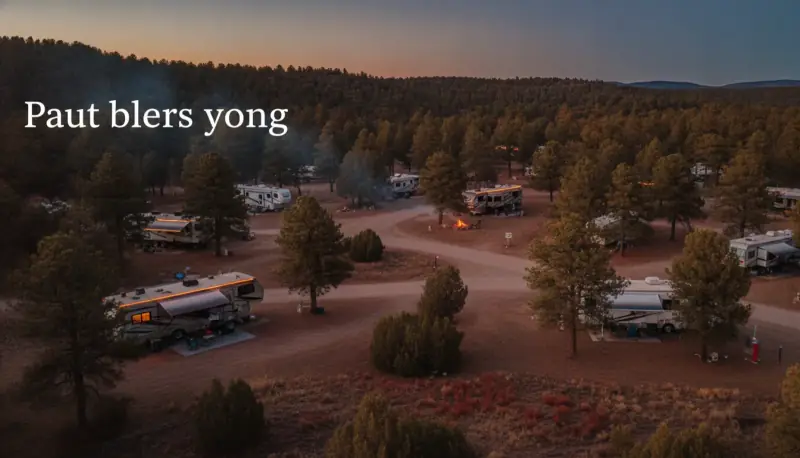
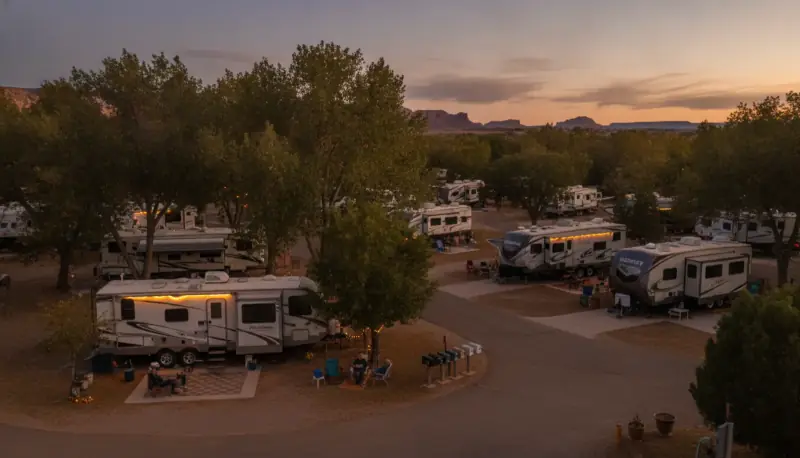
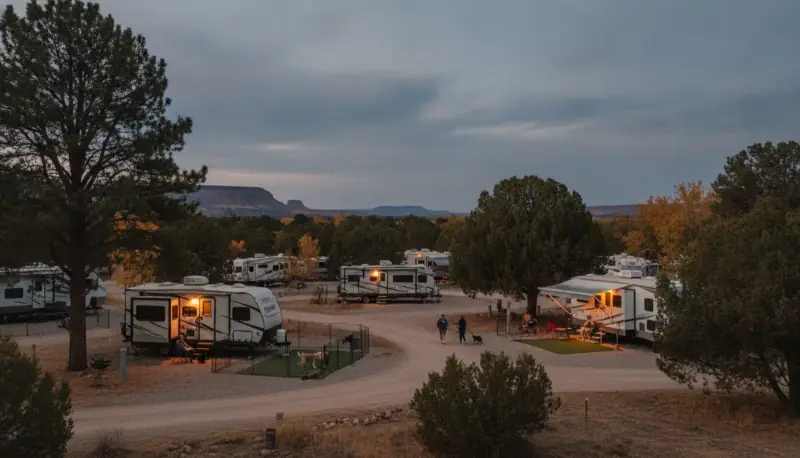
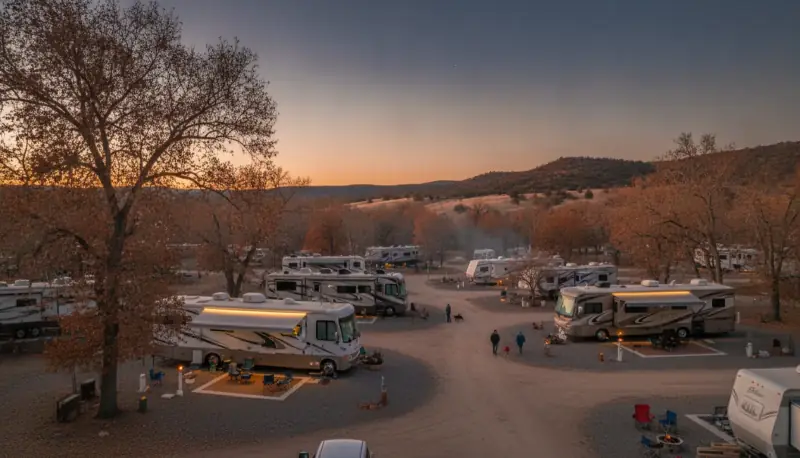
Most RV beginners lump all RV lodging into one category: "parks." In reality, the difference between a residential RV park and a transient campground is as stark as the difference between renting an apartment and booking a hotel room. If you're considering a long-term move, whether for a season or permanently, choosing the wrong type of community can be the difference between finding your people and feeling like a perpetual outsider. Residential parks build for stability and continuity. Transient campgrounds optimize for turnover and flexibility. The rules, costs, amenities, and neighborly culture diverge sharply along this axis. This guide walks through the practical differences so you can match your lifestyle to the right community.
Residency Duration and Stay Policies
The defining boundary between these two categories is straightforward: how long you can stay and what the park expects from you. Residential RV parks impose minimum stays: typically six months to a year, though some accept three-month commitments, and often with an expectation of multi-year tenure. Many won't even accept someone unless they're committing to at least six months. The pricing, policies, and community all calibrate around people who are settling in, not passing through. A residential park owner has zero interest in turnover; they want tenants who will occupy a lot for years and integrate into the community fabric.
Transient campgrounds flip this expectation entirely. Nightly, weekly, and monthly rates coexist side by side. No minimum stay beyond a night. The business model depends on perpetual churn, a full-hookup site at a highway intersection draws the nomad who needs three days; the same infrastructure works for the snowbird who rents a month. Transient parks are optimized for flexibility and volume, not permanence. This difference cascades into everything else. Residential parks can't afford, and don't want, people who treat the lot like a parking space. Transient parks expect it. Long-stayers in a transient park are paying full rates for short-stay infrastructure. Meanwhile, residents in a residential park pay for exclusive access and stability, backed by rules that enforce neighborly behavior and yard standards. If you're planning to stay six months or longer, don't even look at transient-only parks. The nightly and weekly rates will bury you, and you'll live among people whose interests (location flexibility, minimal commitment), are the opposite of yours.
Community Culture and Neighbor Relationships
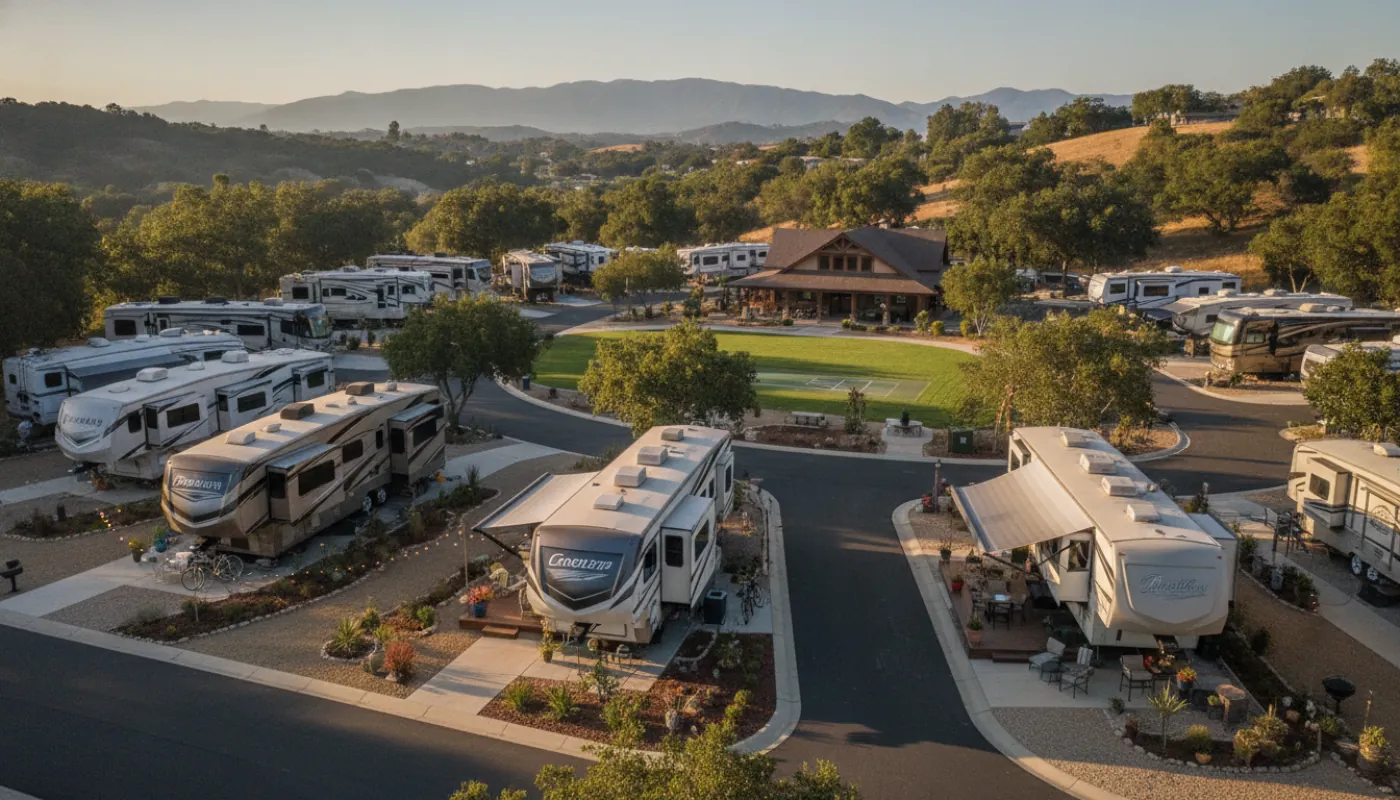
Walk into a residential RV park and you'll recognize something familiar: a neighborhood. There are regulars who have been there three years. Someone's got a community garden. The social calendar is thick: potlucks, game nights, holiday decorations that stay up all season. Kids and grandkids visit on weekends. People know their neighbors' names and ask about their day. Residents see each other multiple times per week and develop the kind of familiarity that breeds genuine friendships.
Transient campgrounds feel fundamentally different. The faces change every few days. Friendliness is cordial and surface-level. No one's organizing a book club because half the lot will be gone by next week. Campfire conversations are pleasant but temporary; deeper friendships rarely form because the culture isn't built for continuity. Residential parks attract people who want stability and community. Transient parks attract nomads, weekend warriors, and people for whom impermanence is the whole point. Neither is better, they serve different psychological needs. But this distinction matters profoundly for long-stayers because living in a transient park for six months means you're perpetually the newcomer in a revolving-door environment. You'll be friendly with people who leave, and the social bonds won't deepen because the culture isn't structured for it. A residential park, by contrast, assumes you're becoming part of the permanent fabric. Neighbors will invite you to block parties. People will help you when your slide-out breaks. The park management enforces decency because they're building a home, not a hotel. If you're choosing between a cheaper transient rate and a pricier residential park, factor in the emotional and practical reality: you'll either be building friendships and community, or you'll be managing isolation.
Infrastructure, Amenities, and Hookup Standards
Residential and transient parks invest in different types of infrastructure because they serve different tenure models. Transient parks often feature the glossy amenities: swimming pools, dog parks, laundry facilities, and activity centers. These are designed to occupy short-term visitors and justify nightly rates. The hookups might be premium, full 50-amp pull-throughs with concrete pads, but the park is optimizing for rapid turnover and operational simplicity. The infrastructure is utilitarian and commercial in philosophy.
Residential parks invest differently. You'll see fewer resort-style amenities because residents aren't looking for constant distraction; they're looking for home. Instead, you'll find reliable, well-maintained infrastructure: stable water pressure, mature landscaping, streets without potholes, consistent parking layout, and equipment that's regularly serviced. Some residential parks have community centers or libraries; others have fishing ponds or jogging trails. The focus is on durability and long-term livability, not constant novelty. Hookup standards vary widely within each category. Some transient parks offer only 30-amp service on pull-throughs; others have deluxe 50-amp pull-throughs with concrete pads. Residential parks also span this range. The difference isn't inherent to the category, it's the park's pricing tier and target demographic. A high-end residential park might have more reliable water pressure and larger individual lots; a budget transient park might have tighter spacing and basic amenities. The practical lesson: don't assume transient parks are automatically less comfortable or residential parks more spartan. Instead, inspect the specific park's infrastructure and ask what maintenance standards they hold themselves to. A residential park that cuts corners on lot maintenance will generate conflict because residents will stay long enough to care deeply. A transient park with spotty hookups won't frustrate you if you're there one night, but it'll be miserable if you're staying for eight weeks.
Rules, Restrictions, and Living Standards
Residential parks operate under explicit, sometimes strict, rules because long-term cohabitation demands it. You'll find rules about vehicle appearances, lot maintenance, noise after 10 p.m., guest policies, and pet behavior. Many residential parks forbid external modifications without approval. Some require regular lot inspections. Violate these rules, and the park will enforce them, because other residents are paying to live next to you permanently and have expectations about neighborhood standards.
Transient parks keep rules light. No loud noise after a certain hour, sure. Basic safety protocols. But whether your rig has mismatched awnings or you leave your slide-out extended overnight? Nobody cares; you're checking out in a few days anyway. The rules are minimal because enforcing them is a headache when the rule-breaker is leaving. This sounds like residential parks are heavy-handed, but it cuts both ways. Strict rules protect your investment and peace of mind. You're paying for stable surroundings and the assurance that your neighbor isn't going to be a management problem for the next twelve months. The transient park, conversely, gives you freedom but offers no guarantees about your neighbors' behavior. Long-stayers in transient parks often gripe about late-night noise or neighboring rigs in poor condition, problems that residency rules would prevent. Long-stayers in residential parks occasionally chafe at lot-maintenance standards or restrictions on guest stays. But on balance, long-stayers universally prefer rules because the alternative is unmanaged chaos with the same fifty people for half a year. Before selecting a park, read the rules carefully. Residential park rules will be long and detailed; transient park rules will be a short bullet list. That difference tells you what the community is built for.
Cost Structures and Long-Term Value
A transient park's nightly rate multiplies quickly. A $45/night park costs $1,350 per month. Two months costs $2,700. Three months costs $4,050. A six-month stay compounds these rates invisibly until you add up the total.
Residential parks operate on a fixed monthly or annual rate, negotiated when you arrive. A residential park offering $900/month includes water, sewer, electric, and trash, the whole package. The total is transparent and non-variable. You know exactly what you're paying for twelve consecutive months. The math becomes obvious at the four-month mark. A transient park at $45/night ($1,350/month) costs $5,400 for a four-month stay. The same four months in a residential park at $900/month costs $3,600, a $1,800 gap. By month six the transient total reaches $8,100 against the residential $5,400, widening the gap to $2,700. A full year of transient rates at that price point would cost $16,200; a residential park at $900/month costs $10,800. That's a $5,400 annual difference, enough to offset minor quality-of-life trade-offs. Pricing isn't universal, of course. Some transient parks offer discounted monthly rates, maybe $25–30/night for the full month, which compresses the gap. Some residential parks cost $1,200–1,400/month, shrinking the savings. High-end residential parks can exceed $2,000/month. The specific park's rate matters far more than the category label. Beyond the base rent, residential parks often include utilities in the monthly fee. Transient parks sometimes bundle utilities; sometimes they meter electricity separately and add per-kWh charges. Ask about all-in costs before comparing. The hidden value in residential parks is that you're not shopping for a new location every few months. You're not grappling with the anxiety of "Is this lot available?" during peak snowbird season. You've got a home and a lease. That stability has economic value that pure price per night doesn't capture. When you're in year two of the same residential park, you know every street, you've got community ties, and you're not in the annual scramble for sites. That peace of mind, and the friendships you've built, is worth something.