RV Parks · Indiana
RV Parks in Indiana
Settle in 41 parks across Indiana. Maps, hours, contact info, photos, and verified operator profiles, all in one place.
Hardwood hills, Wabash river country, and Lake Michigan dunes.
About Indiana
Best time to go
When to camp in Indiana
April through October.
- June–September: the main camping season
- Late September–October: peak fall colors
- Most parks close for winter, so check the season dates
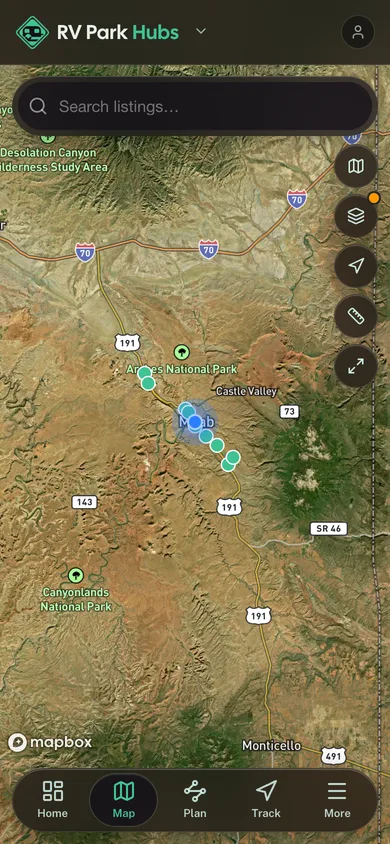
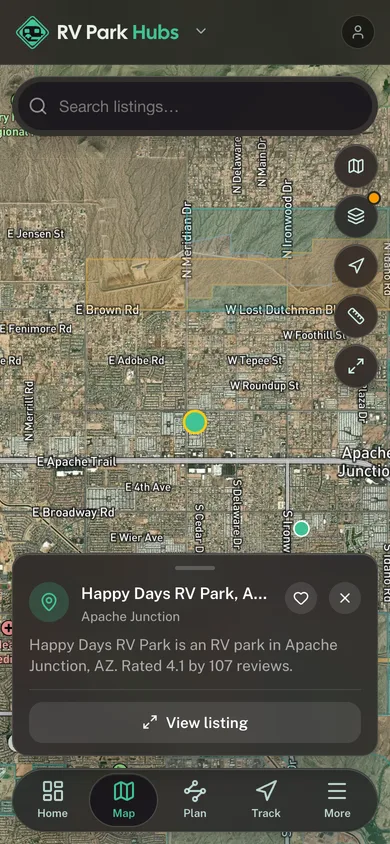
41 on the map
Tap a pin to open its profile.
Quick facts
- Parks listed
- 41
- Best season
- April through October
All listings
41 parks
across Indiana
Plan your trip
Plan your trip to Indiana
Hookup Availability
Most private RV parks in Indiana offer full hookups (water, electric, sewer). State parks and recreation areas often provide electric-only sites with central water spigots and dump stations. Confirm specific hookup types when booking.
Big-Rig Access
Many private RV parks and newer state park campgrounds are designed to accommodate large RVs, including Class A motorhomes and fifth wheels. However, older state park loops or smaller private campgrounds may have length restrictions or tighter turns; always verify with the park.
Seasonal Considerations
Summer is the busiest season, requiring early reservations. Shoulder seasons (spring and fall) offer pleasant weather and fewer crowds. While Indiana is not a primary snowbird destination, some private parks offer extended stays during milder winters.
Reservation Lead Times
For popular state parks and prime private campgrounds, especially during summer weekends, holidays, or fall foliage season, make reservations several months in advance. Weekday and off-season visits generally have more flexibility.
Monthly and Seasonal Rates
Many private RV parks offer discounted monthly or seasonal rates, particularly outside of peak summer. These rates are common for longer stays by traveling professionals or those seeking a temporary base. Inquire directly with individual parks for availability and pricing.
Weather Awareness
Indiana experiences all four seasons, with hot, humid summers and cold, snowy winters. Spring and early summer can bring severe weather, including thunderstorms and tornadoes, so stay informed about local weather alerts during your stay.
Confirm current requirements with the state agency before your trip. Rules and fees change every season.
Indiana State Park Entrance Fees
A daily entrance fee per vehicle or an annual pass is required for entry into Indiana State Parks, State Recreation Areas, and some State Forests. This fee supports park maintenance and operations, and specific rates can vary.
RV Waste Disposal
Proper disposal of RV gray and black water waste is mandated by state environmental regulations. Utilize designated dump stations at RV parks or public facilities. Illegal dumping is strictly prohibited and carries significant penalties.
Firewood Restrictions
To prevent the spread of invasive insects and diseases, Indiana State Parks and many private campgrounds have strict firewood regulations. Often, only heat-treated firewood or wood purchased locally (within Indiana) is permitted. Do not transport firewood long distances.
Noise Ordinances
RV park visitors are expected to adhere to local noise ordinances and park-specific quiet hours, typically enforced between 10 PM and 7 AM. These rules are in place to ensure a peaceful environment for all campers and are strictly enforced by park management.
- 01
1. Choose Your Destination & Activities
Pick your Indiana first: the Lake Michigan shoreline, Indianapolis and its orbit, or the forested south. Then build the trip around what's actually there: the trails, the water, the tracks, the towns.
- 02
2. Select an RV Park & Check Amenities
Match parks to your rig and habits: hookup type (full, partial, primitive), site length, and how far you're willing to drive to the day's main event. Other RVers' reviews will flag the tight turns before you find them.
- 03
3. Make Reservations Early
Summer weekends, holidays, and fall-foliage season all reward planning months ahead. State park reservations often open up to six months out, the people who get the good loops use that window.
- 04
4. Prepare Your RV for Indiana's Seasons
Air conditioning earns its keep in July; heat matters in the shoulder months. A winter trip means a fully winterized rig, no shortcuts, Indiana cold is not negotiable.
- 05
5. Familiarize Yourself with State & Park Rules
Skim the essentials before arrival: state park entrance fees, firewood restrictions, and your park's own rules on pets, quiet hours, and waste disposal. Five minutes of reading prevents most check-in surprises.
01How many RV parks are listed in Indiana?
02Are pets allowed in Indiana RV parks?
03What types of hookups are generally available?
04Can I stay long-term in an Indiana RV park?
05Are Indiana State Parks suitable for large RVs?
06What is the best time of year to RV camp in Indiana?
07Are there any specific regulations for campfires?
Free tools
Your free outdoor toolkit

Everything Map
Listings, trails, spots, clubs and public land on a single full-screen map. Switch layers on and off, then tap any point for the details.
Open Everything MapRoute Planner
Drop stops on a map and watch distance and drive time add up. Export a GPX or share the link.
Open Route PlannerRV Clubs
Browse local clubs with meeting info and how to join, or start your own for free.
Open RV ClubsGear Checklists
Printable, save-as-you-go packing lists. Tick items off and pull them up on your phone.
Open Gear ChecklistsMaintenance Schedules
Pick your equipment and get its full service schedule. Add your usage to turn intervals into dates.
Open Maintenance Schedules

Keep exploring