Skip to content
Indiana RV park country. Backdrop for the RV Park Hubs Indiana directory

RV Parks · Indiana

RV Parks in Indiana

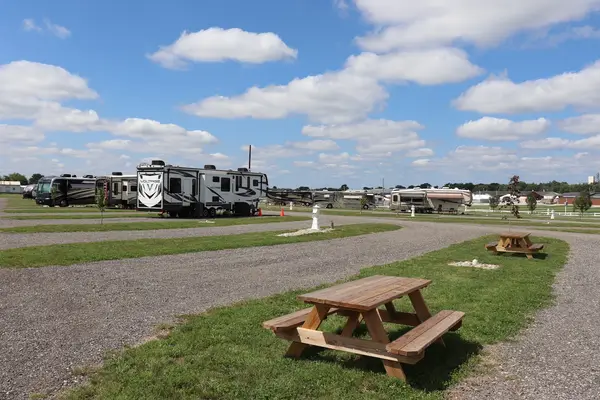
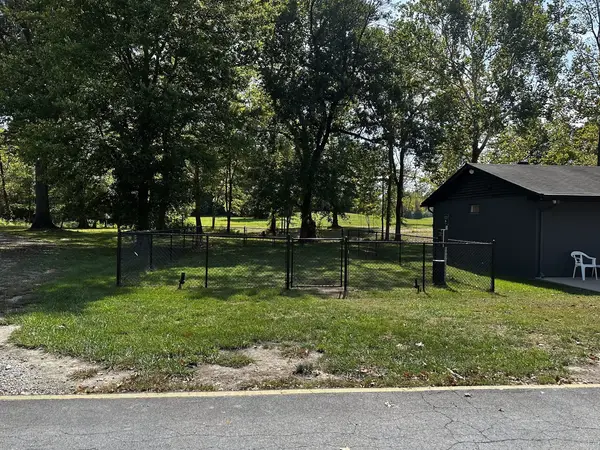
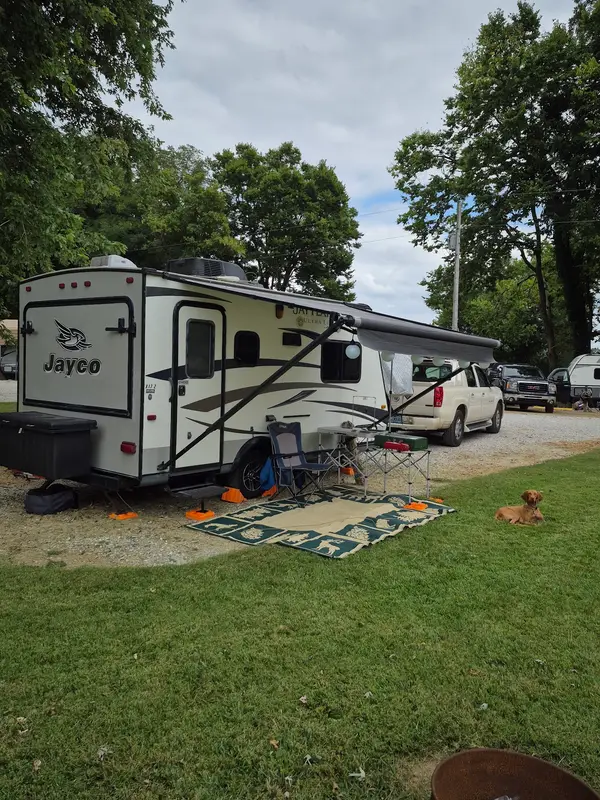
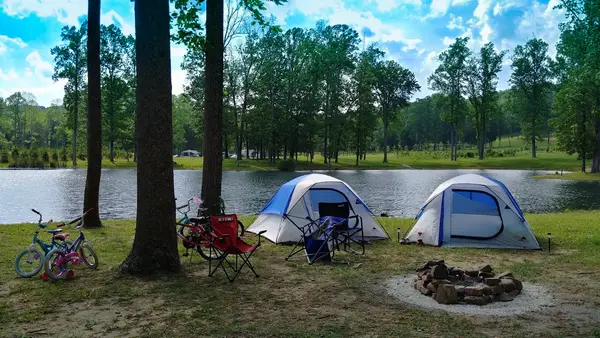
Settle in 41 parks across Indiana. Maps, hours, contact info, photos, and verified operator profiles, all in one place.

Hardwood hills, Wabash river country, and Lake Michigan dunes.

Updated

All listings

41 parks in Indiana
All states

Get listed free

Run a park in Indiana? Add it to RV Park Hubs. Free, no commission.

Add your listing

On the map

Federal campgrounds in Indiana

Everything we have mapped in Indiana, on one map. Tap anything for its details.

Loads the full map of Indiana. We leave it off by default so the page opens fast on mobile data.

Campgrounds 14

  • Details
  • Details
  • Details
  • Details
  • Details
  • Details
  • Details
  • Details

About Indiana

Indiana runs from Lake Michigan sand to Ohio River hill country, and the drive between the two passes through more variety than the state gets credit for. Indiana Dunes National Park anchors the north; the state park system fills in the middle; small towns with genuine main streets show up everywhere in between. RV parks sit close to the good stuff by design, and the state's spot in the middle of the country makes it a natural waypoint on any cross-country route, worth a stop even when it wasn't the destination.

Central Indiana orbits Indianapolis, where urban RV camping puts the city's events, museums, and the Indianapolis Motor Speedway within striking distance. Push past the beltway and the land settles into farm country cut by the Wabash and White Rivers, with reservoirs that draw anglers and boaters all summer. Private parks and state recreation areas across this stretch handle a range of rig sizes, and full hookups are common enough that a longer stay doesn't require roughing it. City one day, riverbank the next.

Southern Indiana is where the terrain gets interesting. The Hoosier National Forest climbs and folds, limestone caves open underfoot, and the Ohio River bends past historic towns like Madison and New Harmony. Brown County and Turkey Run state parks maintain serious trail systems and campgrounds that take larger RVs. After the flat interior, the elevation change registers immediately, this is the part of the state built for hiking boots and slow mornings.

Across all of it, the facilities range from basic electric-and-water sites in state parks to private resorts with pools and a full activities calendar. Indiana's highways are well kept and the distances are manageable, so moving from lakeshore to forest to city rarely eats a whole day. The one discipline worth keeping: book ahead in peak season. The best sites go to the people who planned in February.

When to camp in Indiana

Peak Jun–Sep

Full season

Quick facts

Federal campgrounds
14
Parks listed
41
Best season
April through October

Trip guide

Know before you go in Indiana

Confirm current requirements with the agency that sets them before your trip. Rules and fees change every season.

  • Indiana State Park Entrance Fees

    A daily entrance fee per vehicle or an annual pass is required for entry into Indiana State Parks, State Recreation Areas, and some State Forests. This fee supports park maintenance and operations, and specific rates can vary.

  • RV Waste Disposal

    Proper disposal of RV gray and black water waste is mandated by state environmental regulations. Utilize designated dump stations at RV parks or public facilities. Illegal dumping is strictly prohibited and carries significant penalties.

  • Firewood Restrictions

    To prevent the spread of invasive insects and diseases, Indiana State Parks and many private campgrounds have strict firewood regulations. Often, only heat-treated firewood or wood purchased locally (within Indiana) is permitted. Do not transport firewood long distances.

  • Noise Ordinances

    RV park visitors are expected to adhere to local noise ordinances and park-specific quiet hours, typically enforced between 10 PM and 7 AM. These rules are in place to ensure a peaceful environment for all campers and are strictly enforced by park management.

01Are pets allowed in Indiana RV parks?
Nearly everywhere, private and state-run alike. The standard conditions apply (leashed, supervised, cleaned up after), and some parks add breed restrictions or a cap on how many animals per site. Confirm the details with your park before arrival.
02What types of hookups are generally available?
Private parks typically run full hookups: 30 or 50-amp electric, water, and sewer. Indiana State Parks lean toward electric-only sites (20/30/50 amp), with central water spigots and dump stations inside the campground. Primitive no-hookup sites exist in some areas for those who want them.
03Can I stay long-term in an Indiana RV park?
At private parks, yes, many offer monthly or seasonal rates, especially outside peak summer. State parks are stricter, generally capping continuous stays around 14 nights, though policies vary. For anything long-term, call the park directly and ask about rates and rules.
04Are Indiana State Parks suitable for large RVs?
Many are, with big-rig-friendly pull-throughs and generous back-ins in the newer campgrounds. The catch is the older loops, where length limits and tight maneuvering still bite. Read the site descriptions and dimensions carefully when reserving, they're accurate, and they matter.
05What is the best time of year to RV camp in Indiana?
Depends on the trip. Summer (June-August) owns the lakes and rivers; fall (September-October) owns the hills, when the foliage peaks; spring (April-May) offers mild hiking weather and empty trails. Winter is possible but limited, cold, and many campgrounds run reduced services.
06Are there any specific regulations for campfires?
Fires belong in designated rings, and firewood rules are strict, usually local or heat-treated wood only, to keep invasive pests out. Check for burn bans in dry stretches, and put the fire fully out before you turn in. Park hosts take all of this seriously.

Keep exploring

Nearby states