Skip to content
Kentucky RV park country. Backdrop for the RV Park Hubs Kentucky directory

RV Parks · Kentucky

RV Parks in Kentucky

Settle in 42 parks across Kentucky. Maps, hours, contact info, photos, and verified operator profiles, all in one place.

Cave country, the Cumberland Plateau, and the longest cave system on Earth.

Updated

All listings

42 parks in Kentucky
All states

Get listed free

Run a park in Kentucky? Add it to RV Park Hubs. Free, no commission.

Add your listing

On the map

Federal campgrounds in Kentucky

Everything we have mapped in Kentucky, on one map. Tap anything for its details.

Loads the full map of Kentucky. We leave it off by default so the page opens fast on mobile data.

Campgrounds 38

  • Details
  • Details
  • Details
  • Details
  • Details
  • Details
  • Details
  • Details

About Kentucky

Kentucky's camping map reads east to west like a change of subject: Appalachian foothills give way to bluegrass horse farms, then to the big lakes and flat farmland of the west. The state park system is one of the deepest in the region, the Daniel Boone National Forest covers serious ground, and Mammoth Cave National Park sits underneath it all, literally. RV parks position themselves accordingly, some trading on rustic woods camping, others on full modern amenities a short drive from the headline attractions.

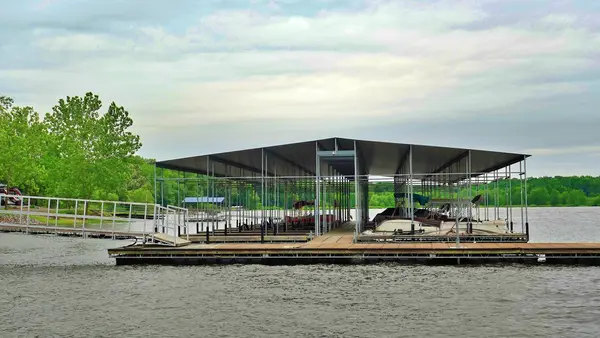
West Kentucky is water country. Kentucky Lake and Lake Barkley run for miles, their shorelines strung with RV resorts and campgrounds built for boats, rods, and long afternoons. Head east and the tone shifts: the Bluegrass Region's board fences and horse farms roll past on the way to Lexington, a different kind of scenery entirely. Along the Ohio River, parks near Louisville and Paducah pair river views with quick access to city restaurants, museums, and music.

The range of camping runs wide: primitive sites deep in the national forests at one end, full-service luxury resorts at the other, with most parks handling big motorhomes and offering full hookups, Wi-Fi, and recreation facilities somewhere in between. Spring dogwoods and October color are the state at its best, and plenty of RVers plan whole seasons around them. Kentucky makes it easy to stay longer than you intended.

When to camp in Kentucky

Peak Jun–Sep

Full season

Quick facts

Federal campgrounds
38
Parks listed
42
Best season
April through November

Trip guide

Know before you go in Kentucky

Confirm current requirements with the agency that sets them before your trip. Rules and fees change every season.

  • Firewood Movement Restrictions

    To prevent the spread of invasive pests like the Emerald Ash Borer, Kentucky has regulations on moving untreated firewood. Visitors should purchase certified heat-treated firewood locally or gather dead and downed wood where permitted within the campground or park.

  • RV Waste Disposal Guidelines

    Proper disposal of RV greywater and blackwater is mandatory at designated dump stations. Discharging waste onto the ground or into waterways is illegal and harmful to the environment. Most RV parks and state campgrounds provide convenient dump stations or full hookups.

  • Kentucky State Park Camping Rules

    When staying at Kentucky State Parks, RVers must adhere to specific rules regarding quiet hours, pet policies, maximum stay limits, and site occupancy. These regulations are in place to ensure a pleasant experience for all campers and to protect park resources. Specific rules can be found on the Kentucky State Parks website or at park offices.

    Kentucky State Parks
  • Boater Education Card

    For RVers who bring personal motorboats, Kentucky law requires operators aged 12 to 17 to carry a Boater Education Card to run a motorboat over 10 horsepower; operators 18 and older are not required to hold one. All vessels must also have current registration and appropriate safety equipment onboard.

01Are pets allowed at Kentucky RV parks?
Most parks and campgrounds welcome them, though the fine print varies. State parks generally allow leashed pets in campgrounds and designated areas; private parks set their own rules, sometimes including breed restrictions. Confirm the policy with your specific park before booking.
02What types of hookups are typically available?
Private parks commonly run full hookups: 30/50-amp electric, water, and sewer. Kentucky State Parks tend toward electric and water at the site, with centrally located dump stations handling grey and black water.
03Is it possible to find big-rig friendly RV parks?
Yes, and increasingly so. Newer private resorts in particular offer roomy pull-throughs, wide interior roads, and good clearance. Older or more rustic parks are where the tight spots hide. Confirm big-rig access when you reserve rather than when you arrive.
04What is the best time of year to RV in Kentucky?
Spring (April-May) and fall (September-October) take it: comfortable temperatures, dogwoods on one end and foliage on the other. Summer belongs to the lakes but runs hot and humid. Winter is the quiet option, with the trade-off of limited services at some parks.
05Are monthly or seasonal rates available for long-term stays?
Frequently, especially outside peak summer. Many private parks discount monthly and seasonal stays well below the daily rate. These deals rarely appear online. Call the park directly and ask what they offer.
06Are campfires permitted at RV parks in Kentucky?
Generally yes, in designated fire rings, including at Kentucky State Parks. Check for burn bans and park-specific rules when you arrive, conditions change, and make sure the fire is dead out before you leave it or turn in for the night.